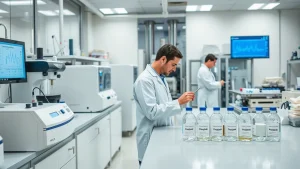


Phosphate compounds, especially sodium phosphate, play a crucial role in the pharmaceutical, food, agricultural, and chemical industries. Given the widespread use and sensitivity of these compounds, quality control throughout all stages of production—from laboratory formulation to final market delivery—is vital. This article reviews the quality control processes in phosphate production, the necessary equipment and standards, and the challenges encountered along the way.
-
Importance of Quality Control in Phosphate Compounds
Quality control is critical in phosphate production because these materials are directly used in consumer products. For example, in pharmaceuticals, phosphates are components in injectable solutions or oral tablets that enter the body directly. In the food industry, phosphates are used in products like sausages, cheese, or beverages. Any impurities or chemical composition changes can adversely affect human health, product shelf life, and final performance.
Thus, thorough inspection of raw materials, production processes, packaging, and storage conditions are all integral parts of the quality control chain.
-
Quality Control Stages from Laboratory to Industrial Production
The quality control process for phosphate compounds includes several key stages:
a) Initial Raw Material Testing
At this stage, raw materials such as phosphoric acid, sodium hydroxide, or other compounds are examined. Important parameters include chemical purity, heavy metal content, moisture level, and compatibility with the final formulation.
b) In-Process Control
During production, periodic sampling is conducted to ensure that chemical reactions proceed as planned. Parameters such as pH, reaction temperature, residual materials, and reaction efficiency are monitored.
c) Final Product Testing
The finished product undergoes thorough testing before packaging. Tests include:
-
Spectroscopy (to analyze molecular structure)
-
Chromatography (to separate and identify impurities)
-
Microbial tests (if the product is for direct consumption)
to guarantee product quality.
d) Packaging and Storage Control
Packaging must comply with GMP and HACCP standards to prevent moisture, light, or contamination ingress. Storage conditions must be managed to avoid decomposition or alteration of the phosphate compound.
-
Standards and Equipment Used
Advanced equipment and adherence to international standards are mandatory for phosphate quality control. Key standards and tools include:
-
GMP (Good Manufacturing Practice): Guidelines for manufacturing safe and quality pharmaceuticals and food additives
-
ISO 9001 and ISO 22000: General quality management and food safety standards
-
HPLC and GC-MS: For precise chemical analysis
-
AAS (Atomic Absorption Spectroscopy): To detect heavy metals like lead, cadmium, or arsenic
-
FTIR and NMR: For detailed molecular structure identification
These tools are essential in quality control labs, especially in facilities producing products for human consumption.
-
Challenges and Solutions in Quality Control
Quality control of phosphate compounds faces several challenges:
-
Variability in raw material sources: Materials may come from various countries with differing qualities, causing fluctuations in final product quality
-
High sensitivity to moisture and temperature: Some phosphates are sensitive to environmental conditions, and improper storage can degrade quality
-
Continuous training requirements: Lab staff must be well-trained and updated to operate advanced equipment
-
High cost of specialized testing: Precise tests require expensive equipment and skilled personnel, raising production costs
Solutions include:
-
Implementing automation systems for precise process control
-
Partnering with certified suppliers and routinely testing raw materials
-
Regular training programs for lab and production staff
-
Continuous monitoring of product quality throughout the production chain
Conclusion
The production of phosphate compounds, particularly those used in sensitive industries like pharmaceuticals and food, requires a comprehensive and precise quality control system. Every stage, from raw material intake to final market delivery, must be monitored to ensure a safe, stable, and high-quality product. The future of this industry depends on intelligent integration of quality control processes and adoption of modern technologies.