

Potassium Chloride
A leader and pioneer in the production, distribution, and offering of a range of essential products.



Product Introduction Teaser
An exclusive video from the complex about this product can clarify the details for you.

Potassium Chloride
Final Product Name: Potassium Chlorid (KCI)
Unit Capacity: 100,000 tons per year
Purity of the Produced Material: Approximately 97%
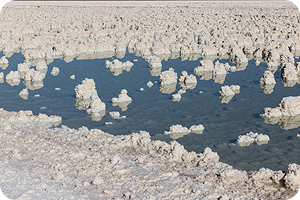
Production Method: Brine-based method
Unit Feedstock: The dissolved minerals present in the brine
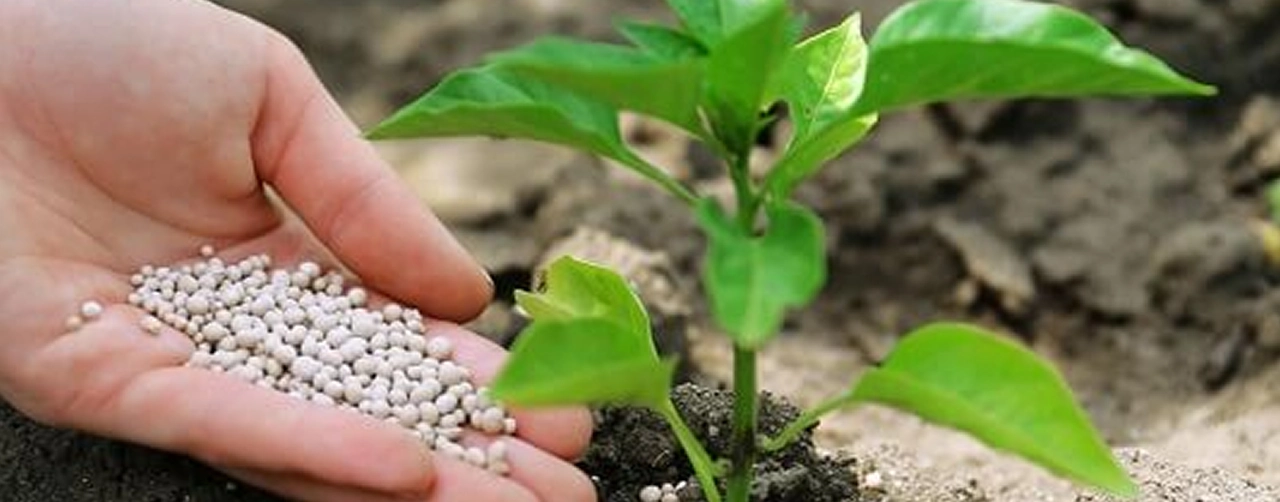
Product Application: Agricultural fertilizer and raw material for the production of potassium sulfate fertilizer and pharmaceutical-grade potassium.
Factory Area: 10,000 Square Kilometers
Date of First Access to Final Product: 2014
Start of Execution/Implementation: Year 1998
Completion of Construction and Installation: Year 2009
Start of Pre-Commissioning Operations: Year 2014
Start of Commissioning Operations: Year 2014
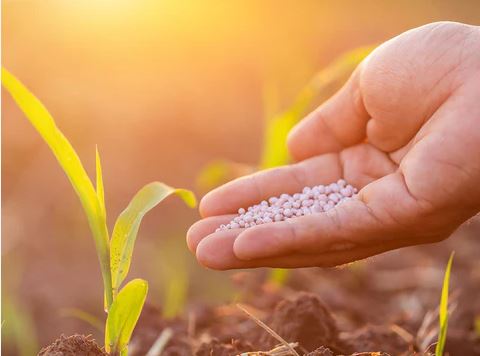
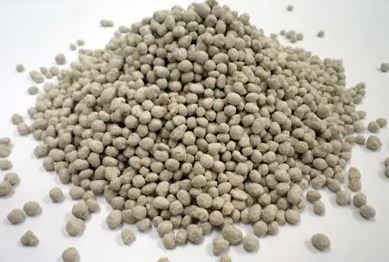
Potassium chloride (KCl), the most common and cost-effective source of potash in agriculture, is typically produced through the evaporation and processing of natural brines. In this method, potassium-rich brines extracted from evaporation ponds undergo separation processes such as crystallization, flotation, and precipitation to isolate potassium chloride from other salts—particularly sodium chloride. The product is then dried, graded, and marketed in either powder or granular form.
Thanks to its high potassium content and affordable price, potassium chloride is one of the most widely used potash fertilizers worldwide. In agriculture, it is applied to enhance plant growth, improve tolerance to environmental stresses such as drought and cold, increase fruit quality, and boost overall crop yield. Although its primary use is in agriculture, KCl also has applications in the chemical industry, electroplating solutions, pharmaceuticals, and various salt-based industrial processes; however, these sectors account for only a small portion of total consumption.
In summary, potassium chloride is predomina



Objectives for the Production of Potassium Chloride
Production Objectives for Each Product at Karoon Phosphate Company
- Potassium Chloride Production
- Achieving technical knowledge in design, construction, and commissioning
- Eliminating the need for KCl imports into the country
- Production of 100,000 tons of KCl per year
- Operation of KCl production units
- Meeting domestic demand
- Supporting the development of industrial capacities, production, manufacturing, and the supply of spare parts and equipment related to the associated units
- Establishing the necessary framework to enhance performance, develop, and complete the value-added chain in agricultural products
Products and Applications of Each Product at Karoon Phosphate Products Complex
In the food industry, monosodium phosphate and disodium phosphate are used as stabilizers, acidity regulators, and texture enhancers. They serve as safe alternatives to toxic nitrites and help preserve the quality and safety of food products by extending shelf life.
In the textile industry, monosodium phosphate and disodium phosphate are used as pH stabilizers and fiber softeners. These compounds help improve dye absorption and enhance fabric durability and quality by stabilizing color and controlling alkalinity.
In synthetic detergents, especially laundry powders, monosodium phosphate and disodium phosphate make up 30 to 50 percent of the formulation. These compounds create alkalinity, prevent particle precipitation, and reduce water hardness, significantly enhancing the cleaning power of detergents.
In the tile and ceramic industry, this compound is used as a dispersant (deflocculant) to improve slurry flowability and reduce particle adhesion. Monosodium phosphate and disodium phosphate reduce the viscosity of the mixture, facilitating shaping and molding processes, and enhancing the surface quality of the final product.
Join our exclusive club!
To receive news, the latest blogs, and new products from Karoon Industrial Phosphate Products Complex, please enter your email.